
How It Works
You don't have to figure out your relationship on your own.
Maybe you're stuck in the same arguments.
Maybe you've grown apart.
Maybe you love each other but aren't connecting the way you used to.
Or maybe things are actually pretty good—and you simply want to make them stronger.
Wherever you are, you don't need to have it all figured out before you reach out.
Lighter Love gives you a clear, structured way to understand what's happening, decide what needs to change, and begin moving forward together.

Start With a Conversation
Your first step is a Relationship Clarity Session.
You don't need to know whether you need counseling, coaching, a few conversations, or something more structured.
That's what the Relationship Clarity Session is for.
We'll talk about what's happening in your relationship, what's been difficult, what you've tried, and what you'd like to be different.
You'll gain:
Clarity about what's really going on
Insight into the patterns keeping you stuck
A clearer sense of what matters most
Practical next steps
A better understanding of what kind of support could help
There's no pressure to sign up for anything beyond the conversation.
Then, We Build a Path Forward
Sometimes a single conversation gives you the clarity you need.
Sometimes you need focused support around a particular challenge.
And sometimes, you realize that you're ready to make more significant changes together.
That's where Relationship Reboot comes in.
Relationship Reboot is Lighter Love's structured 12-week experience for couples who are ready to change the patterns that are keeping them stuck.
Together, we'll work on the things that have the biggest impact on your relationship:
Communication
Learn to talk about difficult things without getting pulled into the same old cycle.
Connection
Rebuild emotional closeness and rediscover the feeling of being a team.
Conflict
Understand your patterns and learn how to repair rather than simply repeat.
Intimacy
Create space for affection, playfulness, vulnerability, and physical connection.
Trust
Address the hurts and disappointments that make it difficult to feel safe with each other.
A stronger relationship
Not simply going back to the way things were—but creating something better.

What Our Work Looks Like
Lighter Love isn't about sitting on a couch for months talking about the same problems.
It's about understanding what's happening and doing something about it.
Our work is:
Personal
Your relationship isn't a template. Your work together shouldn't be either.
Practical
You'll leave sessions with ideas, tools, and next steps you can actually use.
Structured
We keep your goals in view so you're making progress rather than simply having conversations.
Honest
We'll create space for difficult conversations without turning your partner into the problem.
Confidential
Your relationship is personal. We treat it that way.
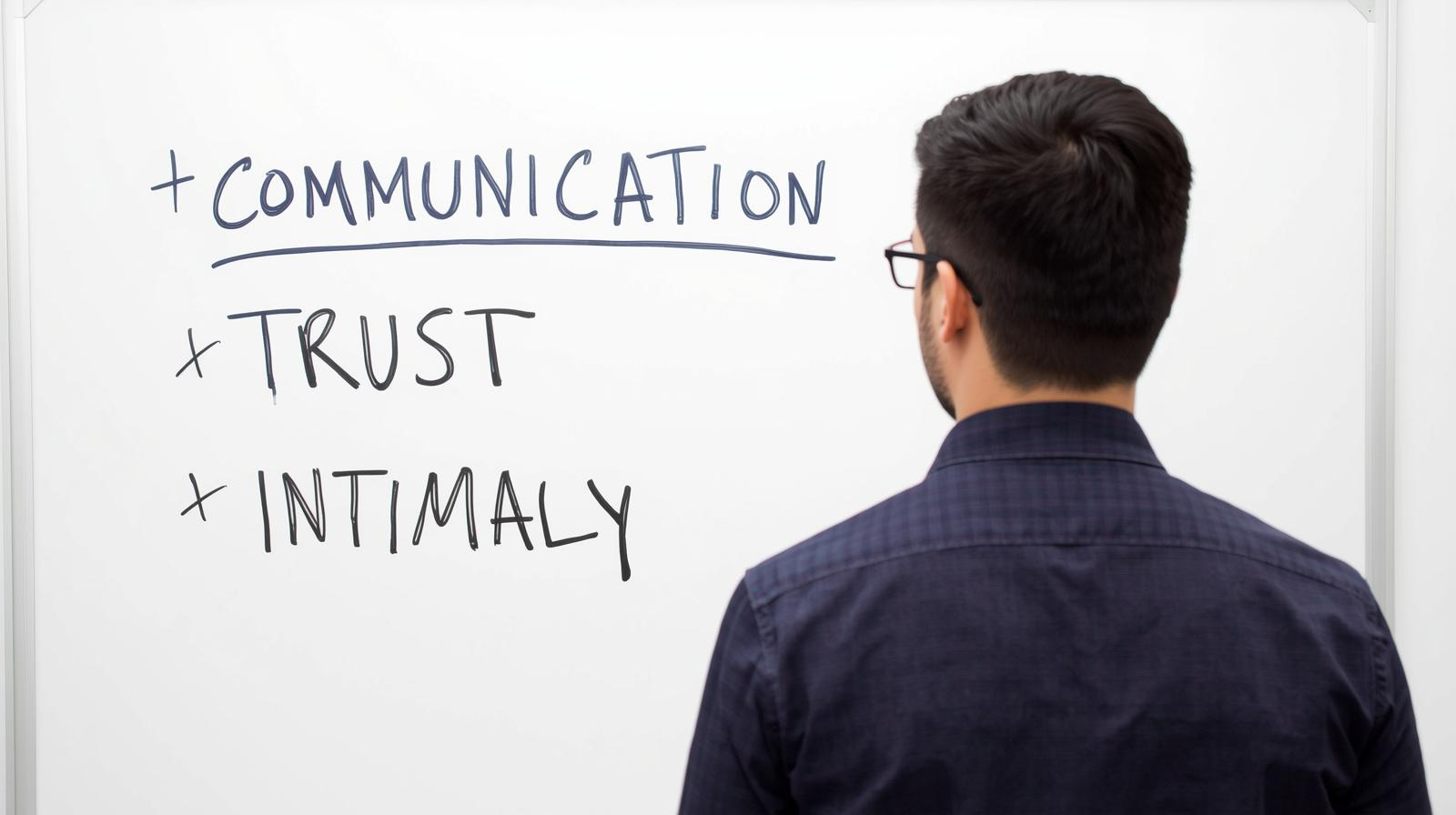
What We May Work On
Every couple is different, but common areas include:
Communication and recurring arguments
Emotional disconnection
Conflict and repair
Trust and rebuilding after hurt
Intimacy and affection
Expectations and unmet needs
Family and parenting challenges
Money and decision-making
Major life transitions
Reconnecting with the friendship in your relationship
The goal isn't to dissect every disagreement you've ever had.
It's to understand the patterns underneath them—and learn how to do things differently.

What We Ask of You
You don't have to be perfect.
You don't even have to agree on everything.
But meaningful change requires both people to be willing to participate.
The couples who tend to get the most from this work are willing to:
Be honest.
Talk about what's really happening, not just what's easiest to say.
Be curious.
Try to understand each other rather than simply prove your point.
Take responsibility.
Look at your own contribution to the relationship without carrying all the blame.
Practice between sessions.
Real change happens in the moments between conversations—not just during them.
Stay engaged.
Progress isn't always comfortable, but it becomes possible when both people keep showing up.
A Little Psychology. A Little Laughter. A Little Faith.
Relationships are serious.
But they don't have to feel heavy all the time.
Lighter Love brings together psychology, faith, and laughter to help couples approach their relationship with more understanding, honesty, and hope.
Because sometimes what a relationship needs isn't another lecture about communication.
Sometimes it needs a different perspective.
A little humility.
A good laugh.
And a reminder that you and your partner are on the same team.
Is Lighter Love Right for You?
You might be in the right place if:
You still care deeply about your relationship.
You're tired of having the same conversations.
You want more connection, not just less conflict.
You're willing to look at your own part in the relationship.
You want practical guidance rather than generic relationship advice.
You're ready to stop waiting for things to magically get better.
You don't have to be in crisis to ask for help.
In fact, one of the best times to work on your relationship is before you're in crisis.
Not Sure Where to Begin?
That's okay.
Start with a Relationship Clarity Session.
We'll figure out where you are, what's getting in the way, and what the best next step might be.
[Start With Clarity →]
Lighter Love
Where psychology, faith, and laughter meet.